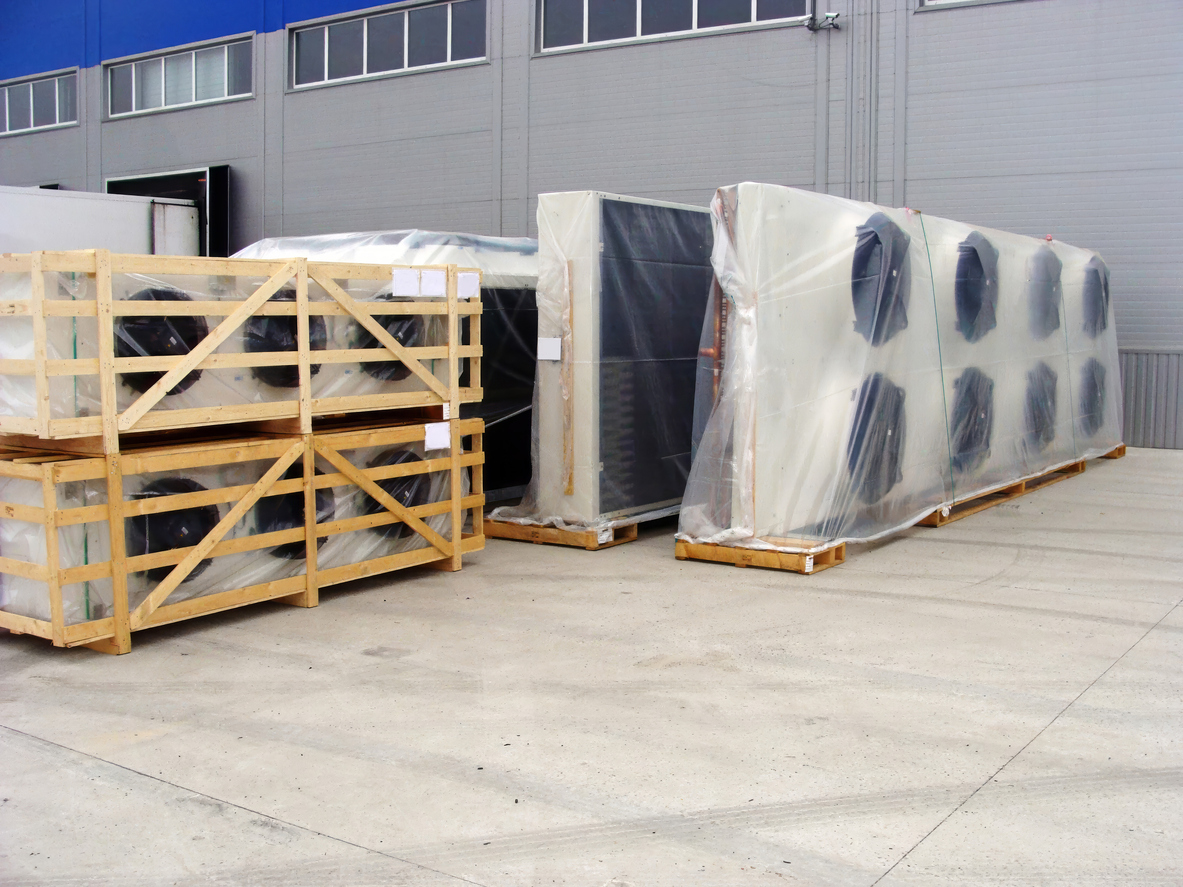
Equipment manufacturers invest millions in engineering, testing, and quality control before a single unit ships. But the moment that equipment leaves the warehouse, something strange happens: it disappears.
Not physically. Operationally. The unit gets installed. It runs. It gets serviced. It leaks. It gets recharged. Parts fail and get replaced. Eventually, it gets decommissioned. And through all of it, the manufacturer who built it has almost no visibility into what’s actually happening.
This isn’t a technology problem. It’s a structural one. And it’s costing manufacturers more than most of them realize.
The Brand App Paradox
Most major manufacturers have tried to solve field visibility with proprietary apps. The logic seems sound: give your certified installers a tool, connect it to your backend, and watch the data roll in.
The problem is who actually services commercial equipment in the field. Independent contractors handle the majority of ongoing service work, and they have no incentive to download and maintain a separate app for every brand they touch. They use their own tools or, in many cases, no digital tools at all. The data that brand apps capture represents a narrow slice of what’s really happening to the install base.
The result is a visibility window that closes almost immediately after the warranty period ends. Units that shipped five years ago effectively vanish. What refrigerant are they running? How often are they leaking? Who’s servicing them? Are they even still in operation? For most manufacturers, the honest answer to all of these questions is: “We don’t know.”
Why This Matters Right Now
The HVAC/R industry is navigating its most complex regulatory environment in a generation. The AIM Act is restructuring which refrigerants can be manufactured, sold, and serviced. State-level regulations in New York, California, Washington, and Colorado are layering additional requirements on top of federal rules. The transition to A2L alternatives is well underway, with the manufacturing prohibition on R-410A already in effect as of January 1, 2025.
And while manufacturers have teams dedicated to product transitions and market compliance, field visibility is a different challenge entirely. It’s the difference between knowing what you’re allowed to sell and knowing what’s actually running in the buildings your equipment serves.
Meanwhile, the consequences of poor field compliance are landing squarely on your customers. EPA enforcement data shows that equipment owners bear roughly 87% of the $115.6M in total service-based industry fines on record. Your equipment is at the center of those enforcement actions, but without field data, you can’t see it happening, you can’t quantify the exposure, and you can’t help your customers get ahead of it.
That last point matters more than it might seem. Manufacturers who can demonstrate that their equipment ecosystem supports compliance readiness have a competitive advantage that goes well beyond product specs. Integrated end to end solutions like FMHero bridge the gap between the technician, contractor, wholesaler, equipment owner, manufacturer, recycler and the enforcement audit.
Nine Things Manufacturers Should Know About Their Equipment in the Field (But Probably Don’t)
1. Where It Actually Is
Not where it shipped. Where it’s installed right now. GPS coordinates, roof zone, rack position. The gap between shipping records and actual install locations grows wider every year as equipment moves through wholesaler networks, gets redirected by contractors, and ends up in facilities the manufacturer never anticipated.
2. Who’s Servicing It
The technician who installed it and the technician who services it today are rarely the same person, and they may work for completely different companies. Knowing who is actively touching your equipment in the field tells you whether it’s being maintained by qualified professionals or drifting toward neglected liability.
3. What Refrigerant It’s Running
The refrigerant your equipment was designed to use and the refrigerant it’s actually charged with are not always the same thing. As phase-downs accelerate and transitional blends enter the market through retrofits or poor practices, knowing the real refrigerant profile across your install base is essential for transition planning, customer communication, and regulatory exposure assessment.
4. How Often It’s Leaking (and How Much)
Leak rate data at the asset level reveals which product lines, vintages, or installation conditions correlate with chronic refrigerant loss. This isn’t just a compliance metric for your customers. It’s a product quality signal that should be feeding back into your engineering and design process.
5. What’s Breaking and Why
Parts failure patterns, replacement frequency, and common field modifications across the install base are gold for aftermarket programs and product development. Right now, most manufacturers piece this together from warranty claims (which are incomplete) and anecdotal contractor feedback (which is inconsistent). Structured service history data tells a different, more honest story.
6. Which Technicians Are Struggling With Your Equipment
High service frequency on a specific model isn’t always a product problem. Sometimes it’s a training problem. If Heroverse-style data shows that certain equipment models have disproportionately high return visits in specific regions or among technicians with specific certification profiles, that’s a signal to adjust installation documentation, invest in targeted training, or rethink onboarding for new product lines. With 80%+ product and component returns testing in full working order the stakes for misdiagnosis and training gaps couldn’t be more expensive for manufacturers.
7. How Your Equipment Compares in the Field
Technicians service all brands. Connected field data platforms capture service patterns across manufacturers, which means the aggregate data can reveal how your equipment performs relative to competitors in the same facilities, the same climate zones, and the same use cases. That’s market intelligence you can’t get from warranty data or customer surveys.
8. What Your Customers Will Need Before They Know They Need It
Real-time refrigerant consumption data and parts replacement patterns across the install base are demand signals. They can feed production planning, parts inventory decisions, and supply chain forecasting far upstream of where manufacturers typically get that information. Instead of reacting to orders, you’re anticipating them.
9. Where Recalled Units Are Right Now
When a recall hits, the current playbook is a press release, wholesaler engagement, and hoping contractors notice. In a connected ecosystem, the asset registry gives immediate visibility into where affected units are installed and which technicians are actively servicing them. Push notifications replace press releases. Targeted remediation replaces hope.
The Connected Ecosystem Model
None of this data is accessible through a brand-specific app. The structural problem remains: independent contractors won’t adopt dozens of different manufacturer tools, and even certified installers stop logging data once the warranty work is done.
The alternative is a connected ecosystem where the data follows the technician, not the brand. When a technician owns their service history and carries it across employers and across the equipment they touch, every service event becomes a data point that flows to every authorized stakeholder: the contractor, the facility owner, the wholesaler, and the manufacturer.
This is the model that platforms like FMHero and the Heroverse data structure are built on. Equipment enters the ecosystem at production or at first scan and carries a persistent digital identity from that point forward. Every service event, refrigerant charge, and parts replacement contributes to a living record that the manufacturer can access regardless of who installed or currently services the unit.
The key distinction: this isn’t about replacing your existing systems. It’s about filling the gap between what your internal data tells you and what’s actually happening in the field.
Extended Producer Responsibility: The Conversation That’s Already Started
EPR legislation for HVAC/R equipment is not yet mandated in the U.S., but the regulatory trend is clear. Manufacturers exploring voluntary EPR programs face a practical barrier: building independent end-of-life tracking infrastructure is expensive, and recyclers can’t reasonably adopt separate tools for every brand they handle.
Connected platforms solve this by distributing EPR infrastructure costs across manufacturers and giving recyclers a single tool to work in. The same lifecycle data that supports warranty tracking, recall management, and transition planning today is the foundation for end-of-life compliance tomorrow.
Manufacturers who move early don’t just prepare for future regulation. They get to shape the narrative. A voluntary EPR program backed by real lifecycle data is a powerful story to tell customers, regulators, and investors before compliance becomes mandatory.
What This Looks Like in Practice
The value here isn’t theoretical. It’s operational. Connected field data gives manufacturers the ability to:
- Plan product transitions based on what’s actually running in the field, not what shipped from the warehouse three years ago.
- Identify product quality issues before they become warranty crises.
- Build aftermarket programs driven by real failure data instead of estimates.
- Respond to recalls with precision instead of press releases. Forecast demand from actual field consumption patterns instead of lagging order data.
- Understand competitive positioning at the facility level.
None of this requires manufacturers to build new infrastructure from scratch. It requires connecting to an ecosystem that’s already capturing the data, because the technicians and contractors who generate it are already using it for their own compliance needs.
Ready to See What Field Visibility Could Look Like for Your Brand?
Every manufacturer’s needs are different. Whether you’re focused on the A2L transition, warranty intelligence, aftermarket revenue, or preparing for EPR, the starting point is the same: getting access to the field data your brand apps were never going to capture.
Les Rhynard
Co-Founder / President of Business Development
(623) 734-4376
[email protected]